
Navigating First Paycheck After Release
First Paycheck, Financial Fluency, Money Management, Post-release Challenges, Budgeting Strategies, Debt Repayment
The First Paycheck After Release: Why This Beautiful Day Can Also Be Dangerous
For returning citizens, that First Paycheck after release is more than a deposit; it is a symbol of dignity, answered prayers, and a new chapter. Yet for many men and women Genesis One Network serves in Oklahoma, this same day can quietly become a turning point back toward crisis. This article is designed for nonprofits, churches, and community partners who walk alongside people in reentry, offering practical, faith-grounded strategies to help them navigate this powerful moment with wisdom and stability.
Why the First Paycheck Is Both Celebrated and Dangerous
The First Paycheck represents answered prayer, hard work, and God’s grace in opening doors. After months or years without income, seeing a real number on a pay stub is deeply affirming. It says, “You are employable. You are moving forward. You can provide.” Communities should celebrate this moment. Acknowledging it publicly in support groups, church services, or mentoring sessions reinforces hope and progress.
At the same time, this day is dangerous because it collides with powerful pressures: old debts, old relationships, old habits, and a new but fragile sense of freedom. Without intentional Money Management and clear Budgeting Strategies, that first check can disappear in hours, leaving shame, conflict, and renewed temptation. Nonprofits and faith-based partners must prepare people before that day arrives, not after the damage is done.
The Urge to Repay Debts: Good Intention, Risky Timing
Many returning citizens carry a heavy weight of debt: unpaid child support, court costs, restitution, family loans, or money fronted by friends from the old life. The moment the First Paycheck hits, there is a strong, honorable urge to “make it right” immediately. From a faith perspective, this desire for accountability and restitution is healthy. However, when every dollar goes out on day one, the person is left with nothing for rent, food, or transportation to work. That can trigger a spiral of desperation that puts employment and sobriety at risk.
📌 Key Takeaway: Teach that repaying debts is a marathon, not a one-day sprint. Consistent, scheduled Debt Repayment is more sustainable than emotionally driven lump-sum payments that leave basic needs unmet.
The Audience That Includes the Old Life
News travels quickly. When someone gets a job after release, an “audience” begins to form around them. Some are supportive: church members, mentors, case managers, and family who prayed them through incarceration. Others represent the old life: people who once partied with them, fronted drugs, or offered rides in exchange for favors. This wider audience often sees the First Paycheck as their opportunity too. Phone calls increase. Knock-knock visits start. “Let me hold something,” “You owe me,” or “Come celebrate with us tonight” becomes the chorus at the door.
For nonprofits and community partners, it is vital to name this dynamic openly in classes and support groups. When people understand that the old life will show up as soon as money shows up, they are less surprised and more prepared to respond with boundaries grounded in their new identity and faith.

Preparing for visitors in advance helps returning citizens protect new priorities and commitments.
No Bank Account, No Safety Net
Many people leaving prison do not have a working bank account. They may be unbanked due to past overdrafts, closed accounts, or simple lack of access. Cashing a paper check at a storefront service or loading it onto a prepaid card can make money feel more “touchable” and more vulnerable. Cash in hand invites impulse spending, quick favors, and unsafe environments. Without a bank account, there is no buffer between the First Paycheck and the immediate demands of the street.
Community organizations can intervene by helping participants open an account early. Before the first workday, staff or mentors can schedule appointments with local banks or credit unions that are reentry-friendly. This simple step transforms the paycheck from loose cash into a resource that can be tracked, budgeted, and protected.
The Feeling of Abundance After the Bills Land
Another subtle danger comes a few days after the First Paycheck. Once rent, utilities, child support, and basic needs are covered, the remaining balance can feel like “extra” money. For someone who has lived with scarcity, even a small leftover amount can create a powerful sense of abundance. Without Financial Fluency, it is easy to view that remainder as spending money rather than seed money for savings, emergencies, or future goals such as a vehicle or vocational training.
💡 Pro Tip: Encourage participants to rename “extra money” as “future stability.” Language shapes choices. What we call it influences how we treat it.
Financial Fluency Was Rarely Taught, Not Willfully Refused
Many returning citizens carry shame about past financial decisions. They may say, “I knew better,” or “I just did not care.” In reality, most never had Financial Fluency modeled or taught in a practical, compassionate way. Growing up around chaos, addiction, or poverty often means money was used to survive the moment, not to plan the future. Schools rarely offer meaningful personal finance education, especially in under-resourced communities. Street economies teach fast cash, not long-term stability.
For nonprofits and ministries like Genesis One Network, this perspective shift is crucial. We must communicate clearly: “You were not failing a class you were never given.” This removes shame and opens the door for learning. Financial Fluency becomes a discipleship and life-skills issue, not a moral indictment. From that place, people are more willing to engage in Budgeting Strategies, credit repair, and intentional Money Management.

Financial fluency grows best in safe, faith-based learning spaces that honor each person’s story.
Practical Strategies Nonprofits Can Teach Before the First Paycheck
1. Decide Before the Money Arrives
The most important decisions about the First Paycheck should be made days or weeks before it shows up. In classes or one-on-one mentoring, guide participants through a simple exercise: “If your check is $X, where will every dollar go?” Planning in advance reduces the power of emotion and peer pressure on payday. This is a core Money Management principle that becomes especially critical during reentry, when external voices are loud and internal confidence is still growing.
2. Open a Bank Account Early
As noted earlier, opening a basic checking account before the first day of work is a protective step. Nonprofits can partner with local banks, credit unions, or community development financial institutions that understand Post-release Challenges. Staff can help gather identification, schedule appointments, and even accompany participants. Direct deposit then becomes a shield against impulsive spending and unsafe environments, and it lays the foundation for savings and automated Debt Repayment.
3. Create a Five-Line Written Plan
Complex budgets can feel overwhelming. Instead, teach a simple five-line written plan for each paycheck:
Line 1 – God first: Tithe or giving amount (if the person practices this)
Line 2 – Essentials: Rent, food, transportation, phone
Line 3 – Debt Repayment: Child support, restitution, agreed amounts to family
Line 4 – Savings: Even $5–$20 to build a habit of saving
Line 5 – Personal: Modest spending for hygiene, clothing, or small enjoyment
Writing this on paper or in a simple phone note makes the plan visible and shareable with a mentor or case manager, reinforcing accountability and Financial Fluency.
4. Prepare a Rehearsed Sentence for Visitors
When the old life knocks on the door, it is difficult to think clearly in the moment. Genesis One Network encourages participants to create and practice a short, respectful sentence they can use with anyone asking for money or pushing them toward unsafe choices. For example:
“I am on a strict plan with my mentor right now. I cannot give or spend outside that plan, but I appreciate you understanding.”
Nonprofits can role-play this sentence in groups so it becomes natural. This small tool protects both relationships and recovery by setting clear, consistent boundaries.

Simple written tools give returning citizens language and structure when pressure shows up.
5. Schedule Restitution Instead of Reacting
Restitution and other court-ordered payments are important for accountability and healing. Yet paying a huge amount from the First Paycheck can destabilize housing and work. Encourage participants to contact the appropriate office or clerk and set up a realistic payment schedule. When restitution is part of the five-line plan every month, it becomes a steady act of responsibility rather than a crisis-driven decision that empties the account and increases stress.
6. Have a Mentor Call First on Payday
The first voice someone hears on payday can shape the whole day. Genesis One Network and similar ministries can create a simple practice: mentors or volunteers call or text early on the morning of the First Paycheck. A short prayer, a reminder of the plan, and a quick check-in can anchor the person in their new identity before the old audience reaches out. This is a powerful blend of spiritual support and practical Money Management accountability.
💡 Pro Tip: Encourage participants to contact their mentor before making any unplanned purchase over a set amount. This simple rule turns major spending into a community decision rather than a private impulse.
How Communities and Nonprofits Can Partner in This Critical Moment
The First Paycheck is not just a financial event; it is a spiritual and relational crossroads. Nonprofits, churches, and community groups in Oklahoma and beyond can respond by building structured support around this moment: pre-release classes on Financial Fluency, post-release budgeting workshops, mentor training on Money Management conversations, and partnerships with banks and employers who understand Post-release Challenges. When these pieces work together, that first deposit becomes a foundation for long-term stability rather than a brief high followed by regret.
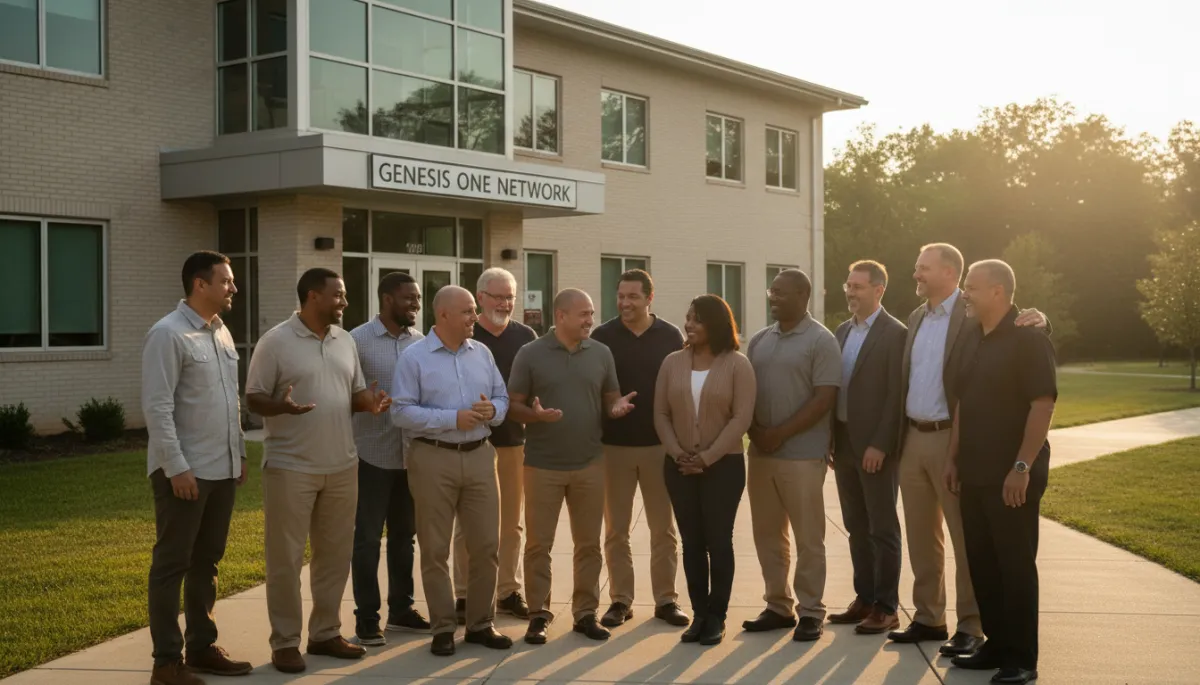
When community, faith, and planning unite, first paychecks become stepping stones instead of stumbling blocks.
A Call to Partner in Transforming First Paychecks into New Beginnings
Genesis One Network believes every returning citizen deserves more than a paycheck; they deserve a pathway. By addressing the emotional weight of debts, the pull of the old audience, the lack of banking access, and the illusion of abundance, nonprofits and faith communities can equip people with real, usable Budgeting Strategies. When we teach that Financial Fluency was rarely taught, not stubbornly refused, we replace shame with opportunity and fear with hope.
If your church, organization, or volunteer team is ready to walk with men and women through this crucial First Paycheck moment and beyond, we invite you to partner with Genesis One Network. Together, we can combine faith, mentoring, and practical Money Management tools to break the cycle of recidivism and build stronger families and communities across Oklahoma—one paycheck, one plan, and one transformed life at a time.