
Housing: The Foundation of Successful Reentry
Reentry, Housing, Faith-Based Support, Oklahoma
Housing Is the Load-Bearing Wall of Reentry
For men and women coming home from prison, every good plan rests on one crucial foundation: a stable place to live. At Genesis One Network, we see this truth every day in Oklahoma. Housing is the load-bearing wall of reentry, and every other plan — the job, the documents, supervision compliance, sound judgment, any horizon longer than twenty-four hours — is stacked on top of it. When that wall is missing or cracked, the whole structure of reentry begins to collapse.
What Fails Without a Stable Address
Without a stable address, reentry quickly turns into survival mode. The person who was ready to change, who sat in Bible study, who worked on a plan, suddenly can only think about where they will sleep tonight. When housing is uncertain, almost every other piece of reentry begins to fail.
Employment falls apart. It is hard to keep a job when you are couch-hopping, walking long distances from different locations, or worrying that your belongings will be gone when you return. Employers expect you to be rested, reachable, and on time. Housing instability makes all three fragile.
Supervision compliance becomes risky. Probation and parole officers need a physical address. Home visits, curfews, and check-ins all assume a place where you can be found. When someone is drifting between couches or motel rooms, even a sincere effort to comply can look like avoidance or defiance.
Basic documents are harder to secure. Many agencies mail IDs, Social Security cards, and medical information. Without a reliable mailbox, documents get lost, appointments are missed, and the person ends up stuck, unable to move forward with work or benefits.
Mental and spiritual health suffer. When you do not know where you belong, it is difficult to make wise decisions. Anxiety rises. Old coping habits whisper. Even a strong new faith feels fragile when every night is a question mark.
A stable address does not solve every problem, but without it, the person is forced to live in the moment, reacting instead of building. The future shrinks to the next twenty-four hours, and that is where bad choices wait.
The Real Obstacle: Applications and Deposit Timing, Not Just Rent
Many people assume the main housing challenge is paying the monthly rent. In reality, for returning citizens, the front door is often blocked long before the first rent bill arrives. The real obstacles are the application process and the timing of move-in costs.
Applications ask questions that punish the past. Criminal history checkboxes, eviction history, and employment gaps can trigger automatic denials, even when the person has support, a job offer, and a changed life. The form often never asks about growth, accountability, or support systems like Genesis One Network.
Deposits and fees are due before income begins. First month’s rent, security deposit, application fees, and utility deposits all crowd into the same week. Meanwhile, the first paycheck may be three or four weeks away. The math simply does not work for someone stepping out with little more than a prison ID and a change of clothes.
By the time the person has steady income, the emergency has already happened. They have missed an application window, lost a job offer because of unstable living, or returned to old environments that pull them off course. Bridging this gap — the weeks between move-in cost and first paycheck — is where communities can make a life-changing difference.

Application questions and upfront deposits often block housing long before rent is due.
Why “He Can Stay with Family” Needs an Honest Conversation
On paper, “He can stay with family” sounds like a solution. It is familiar, inexpensive, and easy to write into a plan. But that simple line often hides deep questions that deserve an honest, prayerful conversation instead of a quick nod.
Is the home spiritually and emotionally healthy? If the family environment is full of addiction, violence, or chaos, we may be sending someone straight back into the very storm God just pulled them from.
Is everyone truly willing and prepared? A family member may say “yes” out of love, but feel overwhelmed a month later. Clear expectations about time limits, contributions, house rules, and boundaries protect both the returning citizen and the family.
Does supervision allow it? Parole or probation conditions may restrict who the person can live with or where they can stay. Assuming family housing is approved without checking can lead to violations and painful setbacks.
💡 Faith-Filled Reminder: Scripture calls us to “speak the truth in love.” An honest talk about whether a family home is truly safe and stable can be an act of love, not doubt.
At Genesis One Network, we encourage families, mentors, and church partners to slow down and ask, “Will this home help him follow Jesus and stay accountable, or will it quietly pull him back into old patterns?” When the answer is uncertain, we work together to seek healthier options.
Forcing the Housing Question into Writing: Pre-Release Planning and Customized Life Plans
Hope is not a housing plan. Writing it down is what turns good intentions into clear steps. That is why pre-release planning and Customized Life Plans are so powerful. They force the housing question out of vague wishes and into black-and-white reality, with a fallback if the first door closes.
In pre-release meetings, we do more than ask, “Where will you stay?” We ask, “What is the address? Who lives there? Have we talked with them? What happens if that falls through?” These questions may feel uncomfortable, but they protect the person’s future.
A Customized Life Plan includes Plan A and Plan B for housing. If the family option changes, or a landlord denies an application, there is already a backup path identified: a faith-based transitional home, a partnering congregation, or a landlord open to second chances.
Putting housing in writing also clarifies who is responsible for each step: who will make the phone call, who will help with applications, who will talk with parole, and who will walk alongside the person during the fragile first weeks. This shared responsibility honors both accountability and grace — two values at the heart of Genesis One Network.

Written life plans turn hopeful ideas about housing into clear, shared commitments.
Four Concrete Roles Communities Can Fill in the Housing Gap
No single organization can solve the housing crisis for returning citizens. But together, communities in Oklahoma can shoulder specific roles that make stable housing possible. Here are four powerful ways partners can help hold up that load-bearing wall.
1. Landlords Willing to Assess an Individual, Not Just a Record
We are deeply grateful for landlords who are willing to look beyond a background check and actually meet a person. These landlords:
Meet with the applicant, hear their story, and consider references from mentors, pastors, or program staff.
Allow for conditional approvals — for example, accepting a tenant who is in a structured reentry program with accountability and support.
When a landlord chooses to see the individual God is transforming, rather than only the file in front of them, they become part of breaking the cycle of recidivism.
2. Congregations Opening Doors and Hearts
Churches can be powerful housing partners. Some congregations host transitional homes or small apartments. Others adopt returning citizens as a community, helping with:
Furniture, bedding, and basic household items in fresh aqua and calming blues that signal welcome and peace.
Rides to view rentals, meet landlords, and turn on utilities.
Ongoing relational support — meals, prayer, Bible study, and accountability.
When the Body of Christ surrounds a person with both hospitality and boundaries, housing becomes more than a roof; it becomes a place of discipleship and healing.
3. Employers Who Understand the Sequence
For many employers, the unspoken assumption is: “Get a stable address, then we’ll talk about a job.” But for returning citizens, the reality is often reversed: they need the job to afford the housing. Employers who understand this sequence can be life-changing allies by:
Offering conditional job offers that begin quickly after release, even if the person is still in short-term or transitional housing.
Coordinating with Genesis One Network to align work schedules with curfews, appointments, and housing transitions.
When employment and housing are planned together, instead of in separate silos, the person can move steadily from prison to paycheck to permanent address.
4. Partners Who Bridge the Gap Between Move-In Cost and First Paycheck
Finally, communities need partners — churches, donors, civic groups, and nonprofits — who are willing to stand in the financial gap between move-in costs and the first paycheck. These partners:
Provide short-term assistance for deposits, application fees, and initial utilities, often through small grants or revolving funds.
Coordinate with mentors to ensure funds are tied to clear plans, accountability, and ongoing support.
A few hundred dollars at the right moment can prevent a return to the streets, to unsafe environments, or even back to prison. It is a small investment with eternal impact.

When landlords, churches, and donors work together, stable housing becomes truly reachable.
Partner with Us to Hold Up the Load-Bearing Wall
Housing is not just another box to check in a reentry plan. It is the load-bearing wall that holds up employment, supervision, sobriety, family restoration, and spiritual growth. When that wall is strong, everything else has a chance to stand. When it is missing, even the best intentions crumble under the weight of daily survival.
At Genesis One Network, we believe in second chances because we believe in a Savior who makes all things new. But even the most sincere heart needs a safe place to rest, pray, and rebuild. That is why we work so hard on the practical details — applications, deposits, family conversations, life plans, and community partnerships — that make stable housing possible.
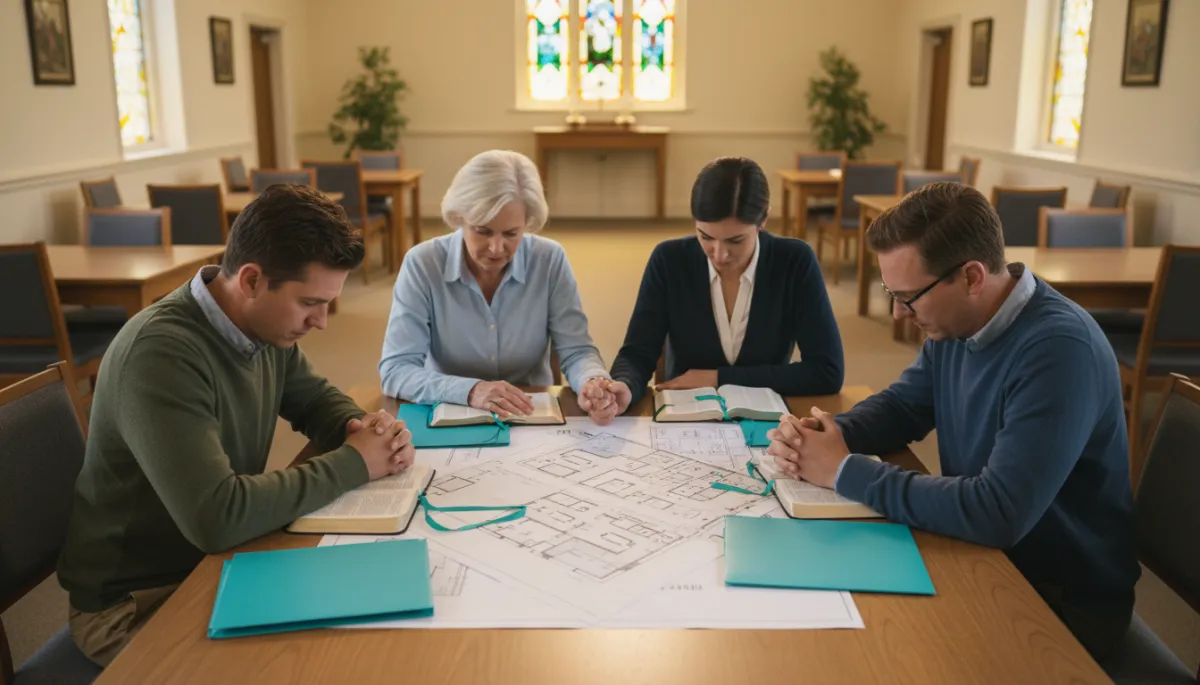
Prayer, planning, and practical help together create real second chances for returning citizens.
If you are a landlord, a pastor, a business owner, a donor, or simply someone who believes in redemption, there is a role for you in this work. Your willingness to assess a person, open a door, hire with understanding, or bridge a short-term financial gap can literally change the direction of a life — and a family — for generations.
Partner with us at Genesis One Network to help men and women in Oklahoma come home to more than a release date. Together, we can help them come home to a stable address, a supportive community, and a future built on Christ, not on crisis.