You Can't Rebuild With Nowhere to Sleep
Picture the first night after release. The gate closes behind someone who has decided to do everything differently this time — and they have nowhere to go. No address, no bed they can count on, nothing between them and the street. Before they've had a single chance to prove they've changed, the most basic human need is already unmet. That is where an enormous number of reentry stories quietly fail.
Housing is the first domino. Knock it down, and most of the others fall with it.
## Why a Place to Live Is the Foundation of Everything Else
Almost every practical step of rebuilding a life assumes you have somewhere to live. A job application asks for an address. Getting a state ID, opening an account, enrolling in a program — all of it assumes a stable place to be reached. Without that anchor, a person is forced into survival mode, and survival mode is exactly the soil the old cycle grows back in. The pull toward the only people and places that will take you in — often the very environment that led to incarceration — becomes almost impossible to resist when the alternative is nowhere.
You cannot disciple, mentor, or employ someone who doesn't know where they're sleeping tonight. Stability has to come first, or nothing else gets a chance to take root.
## How Genesis 1 Helps Close the Gap
This is part of why Genesis 1 Network's work doesn't end at the prison gate. Through its aftercare network, returning members are connected to the basics of rebuilding — including the food, clothing, and shelter that make everything else possible — alongside mentoring and a community that keeps showing up. The goal is simple: make sure no one walks out into a vacuum.
It's the practical edge of the Gospel. "I was a stranger and you took Me in" (Matthew 25:35). Sometimes loving your neighbor looks like a roof.
## Where the Community Comes In
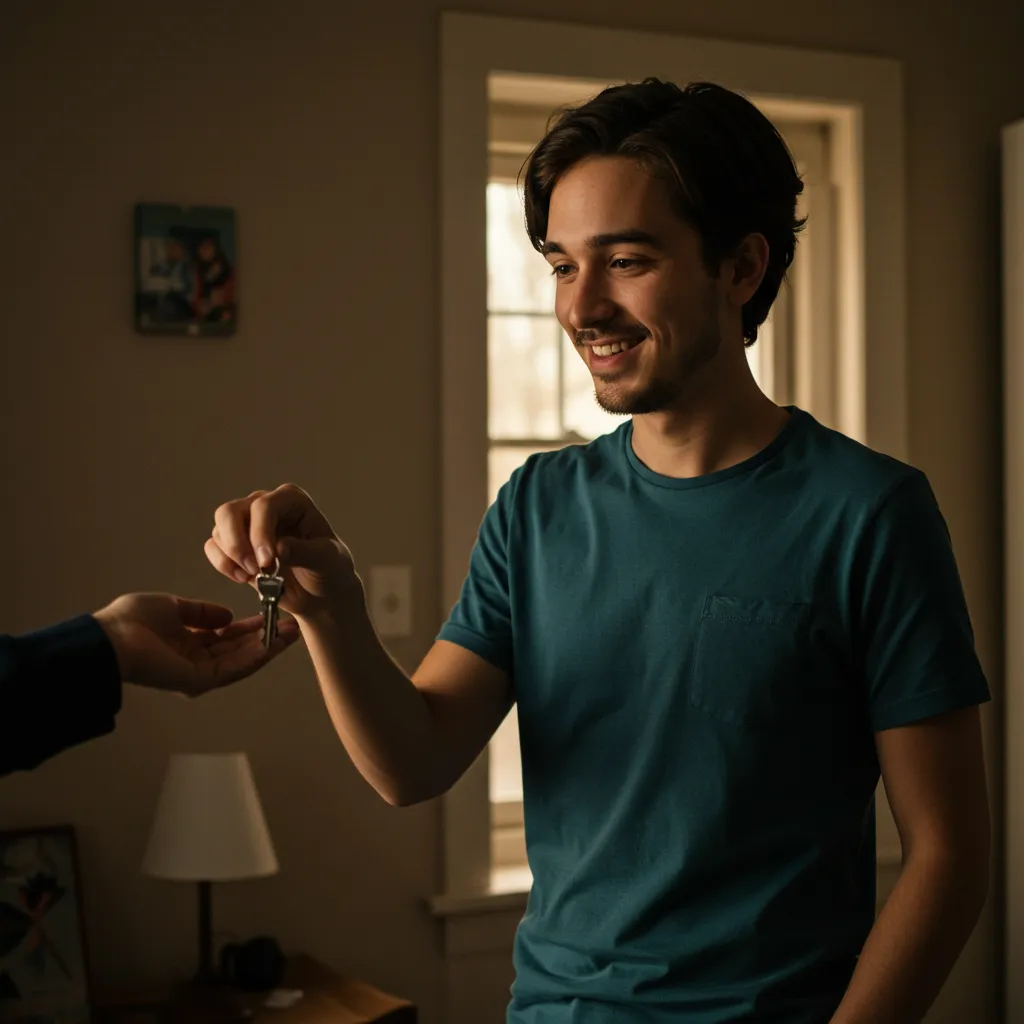
This is also a place where people on the outside can make a direct difference. Landlords willing to give a vetted, supported tenant a chance. Churches and community partners who can help bridge the gap during the first fragile weeks. Donors and supporters who sustain the aftercare network that makes these connections. None of it requires walking into a facility — it requires being willing to help someone have a place to start.
If you can help provide stability for someone rebuilding after release — or you want to support the network that does — reach out. Visit ai-elite-solutions.com/contact and let's make sure the people coming home have somewhere to begin.