
Mentorship: From Incarceration to Leadership
Mentorship, Leadership Development, Resilience Building, Community Impact, Personal Growth, Incarceration Stories
From Incarceration to Leadership: How Mentorship Shapes Character, Resilience, and Purpose
Across Oklahoma and beyond, faith-based mentoring is helping men move from incarceration to leadership, transforming their stories of failure and regret into testimonies of responsibility, service, and community impact. Organizations like Genesis One Network walk with men before and after release, proving that with the right support, leadership development can begin even behind prison walls.
Mentorship as the Turning Point
For many men, incarceration stories begin with broken homes, addiction, and cycles of violence. What changes the trajectory is often a single relationship: a mentor who shows up consistently, listens without judgment, and calls out leadership potential where others only see a criminal record. In a faith-based context, that relationship is anchored in the hope of Jesus Christ and the belief that no life is beyond redemption or restoration.
Effective mentorship is not charity; it is intentional leadership development. Mentors help men confront their past, accept accountability, and begin resilience building through honest reflection, spiritual growth, and practical life-skills coaching. Over time, mentees learn to lead themselves—managing emotions, making wise decisions, and honoring commitments—before they step into leadership roles that influence others.
📌 Key Takeaway: Consistent, faith-centered mentorship is often the first time many incarcerated men experience stable, trustworthy leadership—and it becomes the model they later replicate.
Character Formation Behind the Fence
Leadership is ultimately a matter of character. Genesis One Network and similar ministries focus on forming men who are truthful, responsible, and servant-hearted. Bible studies, small groups, and one-on-one mentoring sessions provide a safe environment to confront destructive beliefs and replace them with a Christ-centered identity and purpose.
Integrity: Learning to keep their word, even in small matters, becomes a daily discipline.
Accountability: Men practice confessing failures, making amends, and accepting consequences rather than hiding or blaming.
Service: They begin to see leadership not as control, but as a commitment to serve and protect others.

Character is forged in honest conversations where truth, grace, and accountability meet.
Resilience Building Through Real Adversity
Few environments test resilience like prison and the difficult reentry that follows. Men face rejection from employers, strained family relationships, and the constant temptation to return to old patterns. Mentorship offers a structured path for resilience building—helping men respond to setbacks with perseverance rather than despair.
One Oklahoma participant shared how, after multiple job rejections, his mentor helped him reframe the experience: not as proof of failure, but as training in patience, humility, and problem-solving. Together they refined his resume, practiced interview skills, and prayed for favor. Within months he secured stable employment—and later became a shift supervisor, mentoring new hires with similar backgrounds. His incarceration story did not disappear; it became the foundation of his credibility as a resilient leader.
💡 Pro Tip for Community Partners: When you hire or serve returning citizens, pair opportunity with mentorship. Resilience grows fastest when people are supported, not merely observed.
Real Stories of Men Leading in Their Communities
Leadership development does not end at the prison gate. Genesis One Network continues walking with men after release, inviting them to step into visible and behind-the-scenes leadership roles that create tangible community impact.
One man now leads a weekly support group at his local church, guiding other returning citizens through the same faith-based curriculum that changed his life. Another coordinates food drives and outreach events, leveraging his organizational skills and hard-earned street credibility to connect with men who distrust traditional institutions. These are not abstract success stories; they are examples of personal growth translated into responsible leadership in neighborhoods, workplaces, and congregations across Oklahoma.

Men once defined by charges now shape culture through service, example, and steady leadership.
The Broader Community Impact of Second Chances
When men move from incarceration to leadership, entire communities benefit. Children gain present, engaged fathers. Local churches gain committed volunteers and emerging lay leaders. Employers gain loyal, hardworking staff members who are deeply grateful for a second chance. Most importantly, cycles of recidivism begin to break as returning citizens become role models instead of repeat offenders.
Faith-based mentoring programs like Genesis One Network demonstrate that long-term community impact requires long-term relationships. Transformation is rarely instant. It is the product of years of prayer, teaching, correction, encouragement, and practical support—from the first visit in a correctional facility to the day a former inmate stands up to lead a small group, teach a class, or organize a neighborhood outreach.
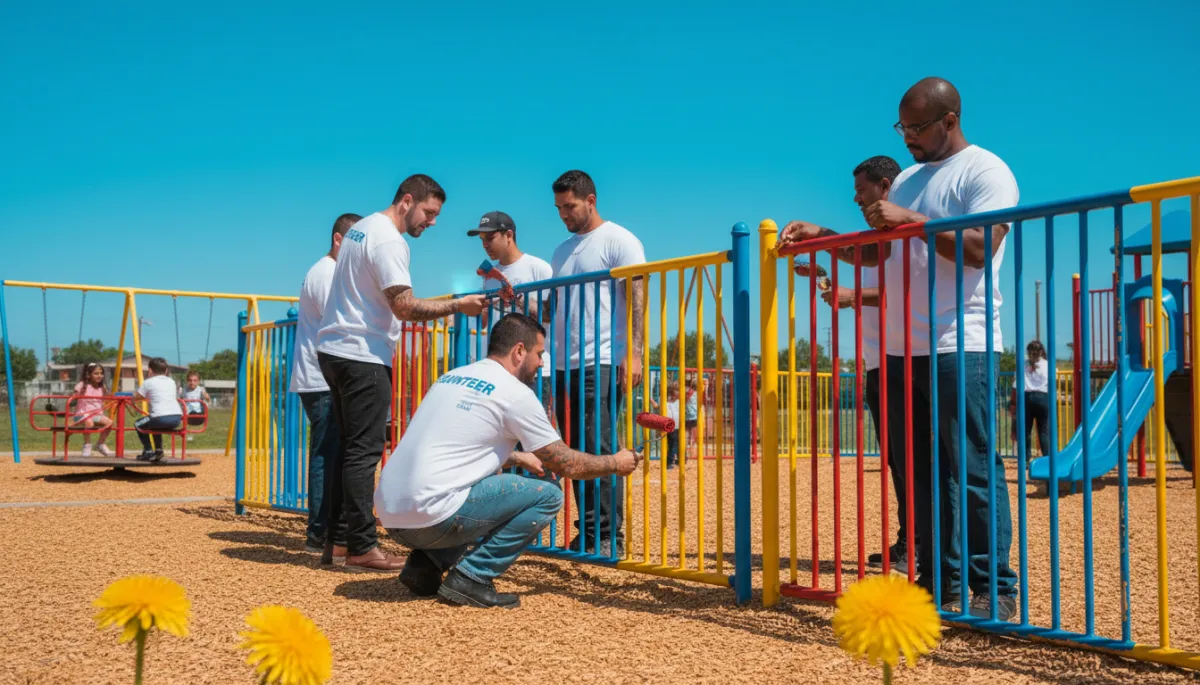
Community trust grows when restored men give back visibly, consistently, and with humility.
How Professionals and Faith Communities Can Partner
For professionals, pastors, and community leaders, the path forward is clear. There is a growing population of men whose incarceration stories are not the end, but the beginning of their leadership journey. They need structured mentoring relationships, meaningful opportunities to serve, and communities willing to see them through the lens of grace and accountability rather than stigma and fear.
Genesis One Network invites churches, employers, and volunteers in Oklahoma to partner in this work of personal growth and community restoration. By offering your time, expertise, and open doors, you help create a continuum of care—from cellblock to sanctuary, from reentry housing to stable employment—where men can grow into the leaders God designed them to be.
Call to Action: Partner with Genesis One Network to support offenders’ transformation and successful reentry into society. Together, we can turn incarceration into a starting point for lifelong leadership and lasting community impact.