Navigating Reentry: Faith and Support in Oklahoma
Reentry, Faith-Based Support, Nonprofits, Community Programs, Oklahoma
Navigating Reentry Challenges: How Structure, Support, and Faith Sustain the Journey
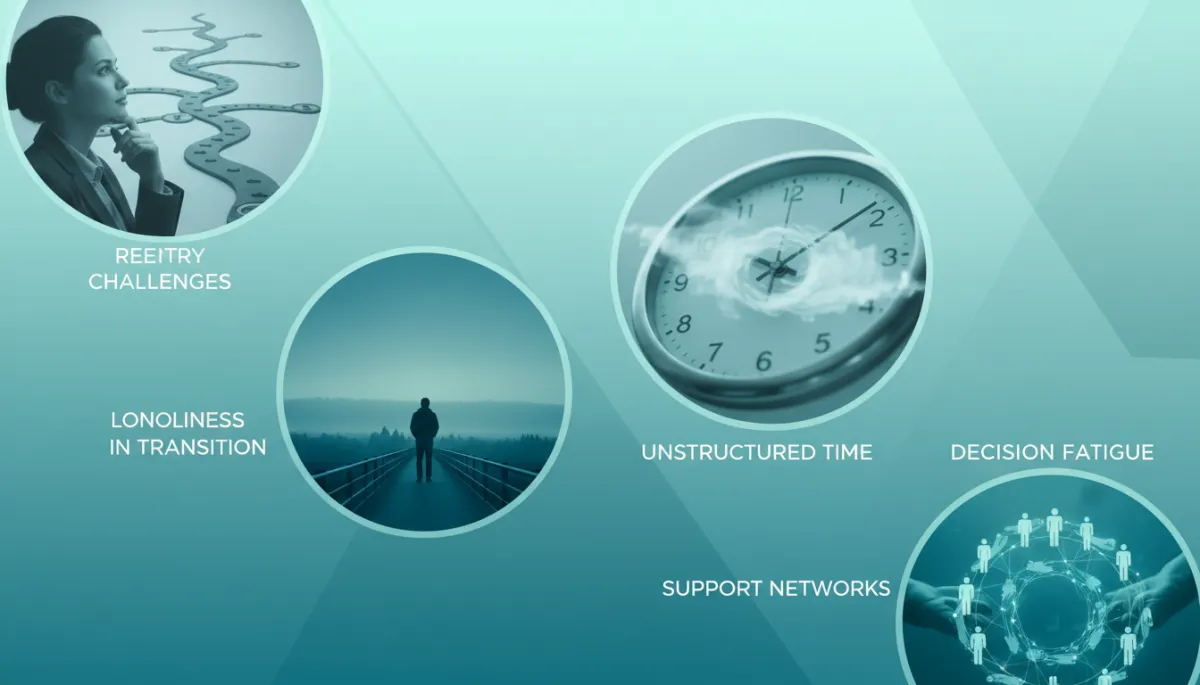
Returning home after incarceration is a profound and often overwhelming transition. For many men and women in Oklahoma, reentry is filled with hope, but also with Reentry Challenges such as Unstructured Time, Decision Fatigue, and Loneliness In Transition. Nonprofits and faith-based communities have a vital opportunity to stand in this gap. At Genesis One Network, we see every day how Support Networks and Structured Routines, grounded in faith and accountability, can turn fragile new beginnings into lasting transformation.
Understanding Reentry Challenges Through a Faith and Community Lens
Reentry is not a single event; it is a long, complex process. The moment someone steps outside the prison gate, they face a flood of expectations: find housing, secure employment, reconnect with family, attend supervision appointments, and rebuild trust. These Reentry Challenges are intensified when a person has limited resources, strained relationships, or a history of trauma and addiction.
For nonprofits and community ministries, recognizing the emotional and spiritual weight of this season is essential. Many returning citizens carry deep shame, fear of failure, and anxiety about being judged. A faith-driven response does more than offer services; it communicates the truth that every person is created in God’s image, worthy of dignity, and capable of change through Christ and community support. When organizations like Genesis One Network combine practical tools with spiritual encouragement, they help break the cycle of recidivism and restore hope to individuals and families across Oklahoma.
The Hidden Risk of Unstructured Time After Release
Inside prison, nearly every hour is scheduled. Meals, counts, work assignments, and programs follow a predictable pattern. Once released, that structure disappears almost overnight. What many people experience is a sudden abundance of Unstructured Time. At first, it may feel like freedom, but without guidance, it can quickly become a serious risk factor for relapse, missed appointments, or reconnecting with unhealthy influences.
Nonprofits and churches can respond by helping returning citizens design their days with purpose. Simple tools—daily schedules, checklists, and clear priorities—can provide a sense of direction. Faith-based mentoring adds another layer, encouraging individuals to anchor their time in prayer, Bible reading, worship, and service. When Unstructured Time is replaced with meaningful, life-giving activities, people are less vulnerable to old patterns and more able to move steadily toward their goals.

Structured planning turns empty hours into purposeful steps toward stability and growth.
Decision Fatigue: When Every Choice Feels Overwhelming
Another often-overlooked challenge is Decision Fatigue. After years of having most choices made for them, returning citizens suddenly must decide everything—where to live, what to wear, which bus to take, how to budget, whom to trust, and how to respond to unexpected situations. Even positive opportunities can feel exhausting when they arrive all at once. Over time, this constant strain can lead to frustration, impulsive decisions, or withdrawal from healthy activities.
Nonprofits and community partners can ease Decision Fatigue by simplifying choices and offering clear, step-by-step pathways. Instead of presenting a long list of options, mentors can walk alongside participants to prioritize what matters most in the first 30, 60, and 90 days. Faith-based guidance also helps individuals seek God’s wisdom in decisions, reminding them that they do not have to navigate every crossroad alone. At Genesis One Network, we have seen how regular check-ins, practical coaching, and prayerful discernment reduce stress and build confidence in decision-making.
💡 Practical Tip for Nonprofits: Offer simple decision tools—such as pros-and-cons worksheets, budgeting templates, and weekly goal-setting forms—to help returning citizens process choices without feeling overwhelmed.
Loneliness In Transition: The Silent Weight of Reentry
Even when surrounded by people, many returning citizens describe a deep sense of Loneliness In Transition. Old friendships may be unhealthy or unavailable. Family relationships may be strained by years of separation, hurt, or broken trust. At the same time, community members may not fully understand the realities of reentry, leaving individuals feeling misunderstood or out of place at work, church, or in the neighborhood.
This loneliness can be spiritually and emotionally dangerous. Isolation often opens the door to temptation, hopelessness, and relapse. For faith-based organizations, addressing Loneliness In Transition is not optional—it is central to the mission. The body of Christ is designed to be a family, where people are known, loved, and held accountable. When churches and nonprofits intentionally welcome returning citizens, invite them into small groups, and create safe spaces for honest conversation, they help replace isolation with connection and belonging.

Consistent small groups transform reentry from a lonely struggle into a shared journey of hope.
Building Strong Support Networks That Last Beyond Release
Effective Support Networks are one of the strongest predictors of successful reentry. These networks include mentors, pastors, volunteers, employers, counselors, and peers who provide encouragement, accountability, and practical help. The most impactful networks are not temporary; they walk with individuals before, during, and long after release. This is the heart of Genesis One Network’s model—continuous mentoring and community support that extends beyond prison walls and into everyday life.
For nonprofits and community partners, building Support Networks involves more than matching a participant with a single volunteer. It means creating a web of relationships so that no one person carries the entire load. Churches can recruit small teams to surround each returning citizen, combining spiritual care, practical assistance, and friendship. Community organizations can collaborate with one another—sharing information, coordinating services, and avoiding duplication—so that individuals experience a seamless circle of care rather than a confusing maze of agencies.
📌 Key Takeaway: Strong Support Networks reduce the pressure on individuals to “figure it out alone” and give them a community that celebrates progress, confronts setbacks, and consistently points them back to Christ and their long-term goals.
Structured Routines: A Foundation for Stability and Transformation
While relationships provide emotional and spiritual support, Structured Routines create the daily framework that makes lasting change possible. A well-designed routine helps returning citizens manage Unstructured Time, reduce Decision Fatigue, and stay connected to their Support Networks. Over time, these routines become habits that support sobriety, employment, family stability, and spiritual growth.
Nonprofits and faith-based communities can assist by co-creating routines that include consistent wake and sleep times, work or job search blocks, program participation, church involvement, family time, and personal spiritual practices. For example, a daily routine might begin with prayer and Scripture, followed by work or training, a check-in call with a mentor, and an evening support group or Bible study. In Oklahoma, Genesis One Network helps participants develop these Structured Routines early, adjusting them as responsibilities grow and circumstances change.

Daily routines anchored in faith and responsibility provide a steady path forward after release.
How Nonprofits and Communities Can Partner for Greater Impact
Addressing Reentry Challenges is not the work of one organization alone. It calls for a united effort from nonprofits, churches, businesses, and civic leaders who share a commitment to second chances and safer communities. Faith-based reentry programs like Genesis One Network offer a proven framework—mentoring, Support Networks, and Structured Routines—but they are most effective when community partners actively engage in the mission.
Churches can host support groups, provide spiritual care, and create welcoming spaces for families to reconnect.
Nonprofits can coordinate housing, employment, counseling, and transportation, reducing the burden on individuals during transition.
Businesses can offer second-chance employment opportunities, internships, and job training that restore dignity and stability.
Volunteers can serve as mentors, drivers, prayer partners, and advocates, building relationships that outlast any program.
When each part of the community plays its role, returning citizens experience consistent support rather than fragmented services. This alignment honors their God-given potential, strengthens families, and contributes to safer neighborhoods across Oklahoma.
Partner With Genesis One Network to Break the Cycle of Recidivism
Reentry will always involve challenges—Unstructured Time, Decision Fatigue, and Loneliness In Transition among them. Yet with strong Support Networks, faith-centered encouragement, and carefully designed Structured Routines, these challenges do not have to define a person’s future. At Genesis One Network, we are committed to walking with offenders and their families before, during, and after incarceration, helping them discover new life in Christ and practical pathways to stability.
For nonprofits, churches, and community leaders in Oklahoma, the invitation is clear: partner with us. Together, we can surround returning citizens with the support they need to make wise decisions, rebuild relationships, and thrive in their communities. By uniting faith, structure, and compassionate care, we can break the cycle of recidivism and witness lives, families, and neighborhoods transformed—one person at a time.
Call to Action: If your church, nonprofit, or business is ready to engage more deeply in reentry ministry, consider partnering with Genesis One Network. Together, we can build stronger Support Networks, create sustainable Structured Routines, and offer a clear testimony that, in Christ, second chances are real and transformation is possible.