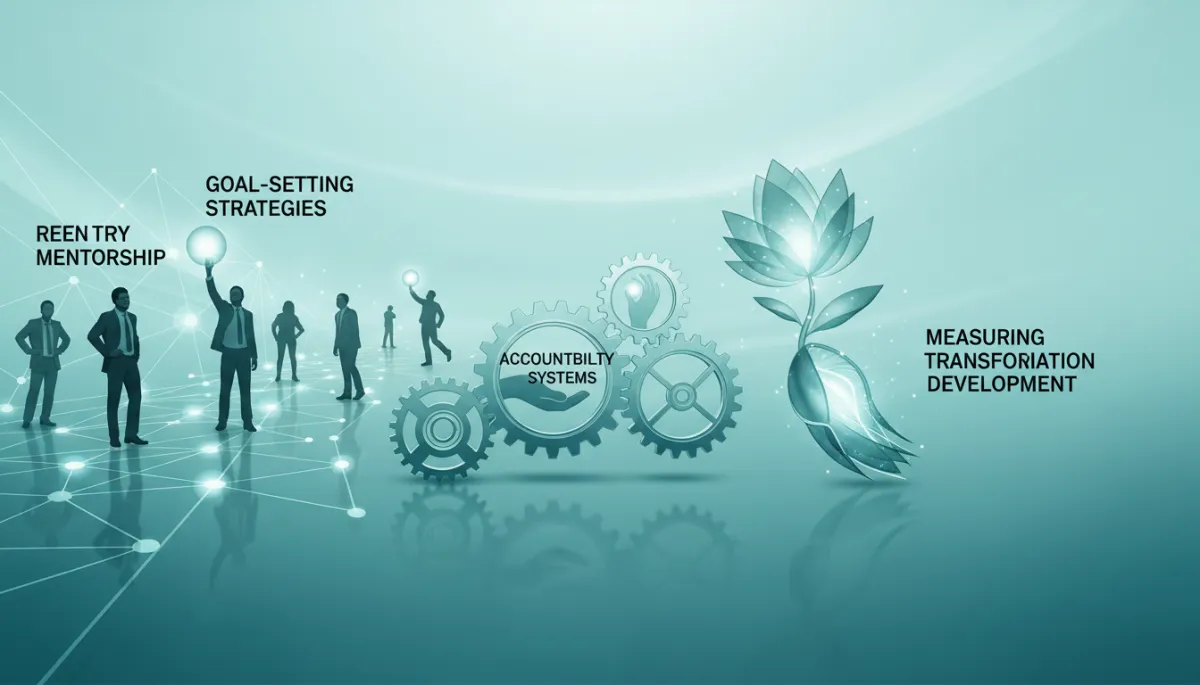
Effective Reentry Mentorship & Accountability Systems
Reentry Mentorship, Accountability Systems, Faith-Based Nonprofits
Reentry Mentorship That Works: Building Accountability Systems That Truly Stick
For many men and women returning from incarceration, the first year back in the community is the most fragile. Reentry Mentorship can be the difference between renewed hope and another trip back to prison. Yet mentorship alone is not enough. What truly changes lives are accountability systems that are structured, consistent, and focused on measuring transformation—not just surface change. At Genesis One Network, we see this every day across Oklahoma’s prisons, communities, and churches.
What Makes Reentry Mentorship Effective?
Effective Mentorship in a reentry context is more than friendly conversation. It is a purposeful relationship that combines personal development, spiritual encouragement, and practical guidance. For nonprofits and faith-based communities, this means:
Providing consistent, trustworthy relationships that model Christ-like character and integrity.
Creating clear expectations around honesty, follow-through, and mutual respect.
Integrating community resources—churches, employers, and support groups—into the mentoring journey.
Genesis One Network’s approach to Reentry Mentorship rests on the belief that every person is created in the image of God and worthy of a second chance. But second chances require structure. That is where intentional accountability systems come in.
Accountability Systems That Actually Stick
Many programs talk about accountability, but without a clear framework, accountability can feel vague or even punitive. Systems that actually stick are:
Relational: Rooted in trust, not fear. Mentors walk alongside, they do not police.
Transparent: Expectations, commitments, and next steps are written down and reviewed regularly.
Grace-filled: When setbacks happen, the focus is on learning, repentance, and re-engagement, not shame.
📌 Key Takeaway: Accountability systems work best when they combine clear structure with compassion, reflecting both truth and grace.
Getting the Structure and Frequency Right
Strong structure is the backbone of any Reentry Mentorship program. Nonprofits and community partners can support mentors by defining a simple but consistent rhythm:
Weekly one-on-one meetings during the first 90 days after release, focused on immediate needs, routines, and spiritual grounding.
Bi-weekly or monthly check-ins after stability improves, maintaining connection while encouraging independence.
Group gatherings with other returning citizens, volunteers, and church partners to reinforce community and shared learning.

Small group of mentors and returning citizens seated in a circle in a church fellowship hall,...
Regular, structured gatherings create the rhythm that turns good intentions into lifelong habits.
Frequency matters. Too little contact, and people feel forgotten. Too much, and they can feel overwhelmed or controlled. Genesis One Network helps mentors discern the right pace, always emphasizing that consistency over time is more important than intensity for a few weeks.
Goal-Setting Strategies That Honor the Whole Person
Powerful Goal-setting Strategies are at the heart of Personal Development in reentry. Goals should address spiritual, relational, and practical areas of life. Effective mentors help participants set:
Short-term goals (30–90 days): securing identification, attending church weekly, starting a job search, rebuilding contact with family.
Medium-term goals (3–12 months): completing a training program, paying down fines, joining a small group, maintaining sobriety milestones.
Long-term goals (1–3 years): stable housing, restored family relationships, leadership in church or community, financial stability.

Close-up of mentor and returning citizen reviewing a written goal plan at a table, fresh aqua...
Written, faith-centered goals give returning citizens a roadmap they can see and celebrate.
💡 Pro Tip for Nonprofits: Provide simple goal-tracking sheets or digital tools so mentors and participants can record, review, and pray over goals together.
Measuring Transformation, Not Just Surface Change
For communities and funders, Measuring Transformation is essential. But counting only “no new arrests” or “months employed” misses the deeper work God is doing. To go beyond surface change, nonprofits can track both external outcomes and internal shifts:
External Outcomes Internal Transformation Employment, housing, sobriety, legal compliance Renewed faith, healthier relationships, emotional regulation, honest self-reflection

Mentor and returning citizen standing outside a church after service, shaking hands with a...
Deep transformation shows up in restored relationships, renewed faith, and consistent community engagement.
Mentors can ask reflective questions over time: “How do you respond to stress now compared to six months ago?” or “Where have you seen God change your heart?” Documenting these stories, alongside data, helps demonstrate real transformation to supporters and partners.
Partnering for Lasting Change in Oklahoma Communities
Reentry Mentorship that works is never accidental. It is the result of intentional structure, consistent frequency, thoughtful Goal-setting Strategies, and a commitment to measuring transformation—not just surface change. For Genesis One Network, this is more than a program design; it is a faith-driven promise to walk with offenders before, during, and after incarceration so they do not have to face reentry alone.
Nonprofits, churches, and community partners across Oklahoma have a vital role to play. By aligning around clear accountability systems and Christ-centered mentoring, we can strengthen individuals, reunite families, and break the cycle of recidivism together.
📌 Call to Action: Partner with Genesis One Network to equip mentors, support returning citizens, and build faith-based accountability systems that truly stick—inside prison and far beyond its walls.